
Join us to celebrate ACAL’s 50 years
on International Literacy Day – Tuesday, September 8, 2026
Celebration Presenters
Arch Nelson Address 2026

Sue James
Sue is a literacy, numeracy and digital (LND) specialist with 29 years’ experience. She has coordinated and delivered training for both Commonwealth and State funded programs and delivered training in China, and a Skill Set program to Indian veterinarians to enable them to support their local farmers. Sue’s voluntary role for over 18 years on the South Australian Council for Adult Literacy, including Co President for the past 3 years demonstrates her passion for assisting adult learners to improve their literacy, numeracy, and digital skills.
In addition, Sue has held the role of Honorary Secretary for the Australian Council for Adult Literacy since 2019. She is consistently advocating for adult literacy, numeracy, and digital provision at both state and national levels.
ACAL Timeline
Jo Medlin
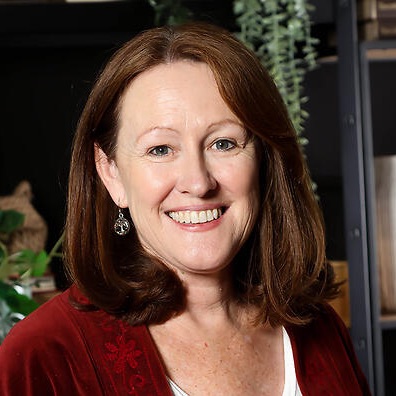
Jo Medlin has been on the ACAL committee for almost a decade, as co-president and then president. In this role she has been a representative on national steering committees including Minister O’Connor’s Foundation Skills Advisory Group, The Reading Writing Hotline Steering Committee, The Education IRC, The interim TAE/FSK advisory Group , The JSA National FS Study Steering Committee, and various state advisory groups and others. After liaison with EndemolShine and SBS she wore her ACAL hat on Lost for Words to raise awareness among the general public and has also presented literacy and numeracy awareness sessions to community groups and organisations for ACAL (such as Lions Groups, Legal Centres, U3A, AiGroup, apprentice orgs and more).
As president, she is the custodian of much ACAL memorabilia, representing 50 years of volunteers who have been dedicated to promoting adult literacy in Australia. This is finally the opportunity to share and celebrate that memorabilia. If you have items and reflections, please bring them along to add to the collective memory bank!
Lorraine Sushames
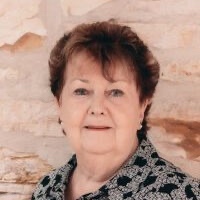
Lorraine Sushames became the Northern Territory representative to ACAL in 2002, and three years later was elected to her current role as ACAL Treasurer. She currently leads the implementation of ACAL’s Reconciliation Action Plan. The foundations of Lorraine’s career were built on Freirean philosophies, humanist professional discourses and individualised needs-based approaches. Her strong sense of justice and purpose influences her work, prompting her participation in the Senate Inquiry into Adult Literacy and its Importance. She undertakes various advisory roles to government and participates on various national committees, including membership of the Reading Writing Hotline Steering Committee. A personal passion is building an evidence base through research to guide policy, to avoid repeating past mistakes and to improve access to adult literacy programs for learner cohorts living outside of major population centres.
Looking back: 50 years of ACAL memories and lessons learned
Rosie Wickert
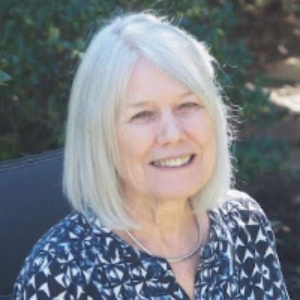
What an achievement ACAL! Fifty years and still going strong, if not stronger than ever. I was a member of the Executive of ACAL in varying roles for seventeen years from 1987 to 2004, including President and Vice-President.
My life as a teacher and researcher of literacy and numeracy skills began in the early 1970s in a college of further education in East London. This was before the term adult literacy emerged and we were known as general studies teachers. We had great freedom then but this was gradually constrained by the Thatcher administration as general education programs became more focussed on unemployed youth rather than trades apprentices.
I came to Australia in 1982 and started teaching in evening colleges and TAFEs across Sydney while completing the Graduate Diploma in Adult Literacy and Numeracy at what was then the Institute for Technical and Teacher Education, ITATE, later becoming part of UTS. I joined UTS in 1989 and took over the running of that course. I also established a research and development Centre for Language and Literacy. They were heady days. 1990 was International Literacy Year and I was privileged to be a member of the National Consultative Committee for International Literacy Year, chaired by Margaret Whitlam and included luminaries such as Joseph Lo Bianco and Julian Disney. The work of that Council covered a tumultuous time with the preparation and delivery of the 1991 Australian Language and Literacy Policy. This was followed by the multiple national projects that emerged from that policy commitment. ACAL was a major player during that time and influenced the direction of many projects. Although the Keating government of the day made a relatively small financial commitment to this implementation, the impact was significant. I have fond recollections of my partner, Tony, directing some of the episodes for the TV series Fresh Start.
My most treasured memories of my time with the ACAL Executive however are the friendships made. I served with the likes of Heather Haughton, Noel Simpson, Sharon Coates, Rosa McKenna and Aileen Treloar from Victoria, Julia Zimmerman and Jean Searle from Queensland, Roy Pugh from Tasmania, Linda Are and Nicole Gilding from SA, Doug Werrin and Marie Persson from NSW, Jim Thompson from WA and Lorraine Sushames from the NT who I believe has only just retired. Fabulous people and good friends who put in countless hours to help build the field of adult basic education into what it is today. I donated all my records to the NSW State Library. I wish ACAL a long and distinguished future.
Anne Kiley
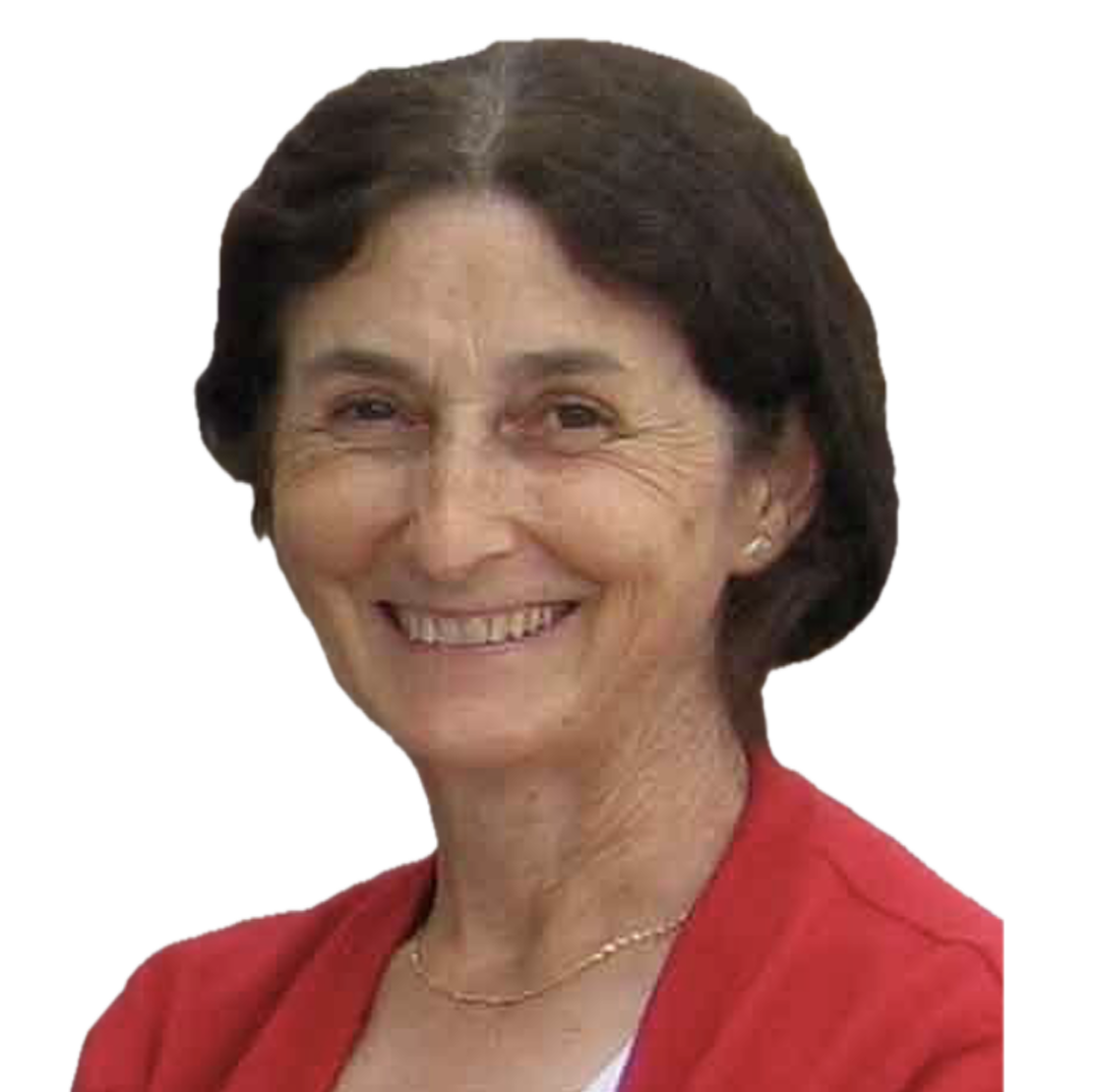
Anne Kiley started adult literacy and numeracy teaching in 1979 in Elizabeth/Salisbury, SA, before moving to Canberra and a long career at Canberra Institute of Technology, predominantly in literacy, numeracy and academic literacy. Some decade or so ago, she jumped ship to the higher ed sector, where she has been teaching in Charles Sturt University’s undergraduate VET degree, and graduate LLN programs. Anne’s background is in English literature, linguistics, and online learning.
Anne has been an ACAL member since the 1980’s, and a relentless attendee of ACAL conferences since then.
Dr Ann Kelly
Ann Kelly has been involved in adult literacy and numeracy since the early 1980s.
She has worked as a teacher, program manager and curriculum and assessment developer within the vocational education sphere and, more recently, as a lecturer in higher education. She has been a member of ACAL during this time, serving as President, and as the Queensland representative on the ACAL committee. Currently, she is a co-opted member of this committee. At a State level, she was the president and treasurer of the Queensland Council for Adult Literacy for many years.
Darryl Dymock
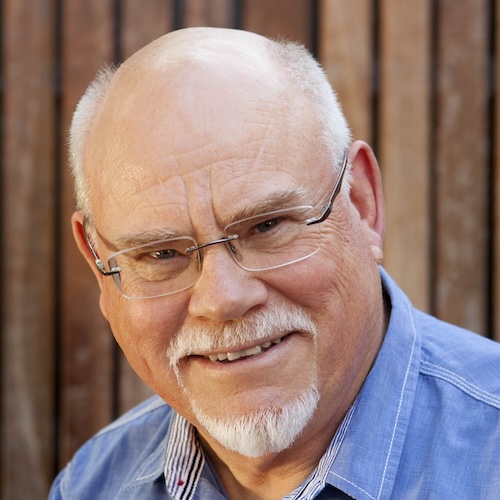
Dr Darryl Dymock was ACAL Secretary from 1979 to 1984, when Arch Nelson was President. His seminal book, ‘Adult Literacy Provision in Australia: Trends and Needs’, was published by ACAL in 1982. Now an active Adjunct Senior Research Fellow at Griffith University, Brisbane, he has taught, researched and published about adult education, workplace learning and vocational education and training at four Australian universities. Darryl is also a multi-published non-fiction author in educational history and biography and a mentor for the Queensland Writers Centre and a Men’s Shed Writers Group. His latest book (2026) is ‘DONE WORKING: Finding Contentment in Retirement’. He lives in Brisbane with his wife and his laptop and has four adult children.
Kath White
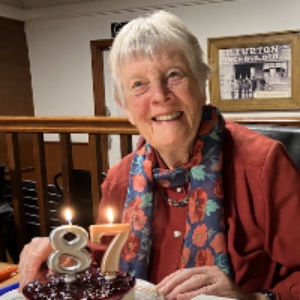
After working as a high school teacher of English in Victoria and NSW for fourteen years, I joined NSW TAFE in 1975 and was caught up in the heady legacy of the Whitlam years when we were invited to initiate opportunities for Australian-born adults to access open education. In response, Sydney Tech started the ILC (Individual Learning Centre, a drop-in centre for basic English and Maths) and here our preconceived methods were challenged by non-literate students.
Accordingly, over the long holidays 1976-77, I visited the UK to learn more about the BBC’s pioneer adult literacy program. I came back in February to be appointed TAFE’s first ALO (Adult Literacy Officer) and used the BBC philosophy and training program as our blueprint.
Other states had also been experimenting, so when we very new practitioners gathered at the first ACAL National Conference in Canberra in May, 1977, it was urgent that we hammer out basic principles for this new field. In a seminal final meeting, the principles of confidential and flexible learner-directed delivery free from bureaucratic requirements were affirmed.
By the end of 1977, TAFE had appointed ALOs in regional areas; we were using TV and radio to advertise our programs where confidentiality was key, and we had constant enquiries. A lot of that success was due to the support of visionary TAFE Directors and key politicians, who saw that state resources should be shared by all providers, whether statutory or voluntary.
As the numbers of paid staff, adult learners, volunteers and enquirers grew, it became obvious that we needed some central body to coordinate, resource and train the work. In 1979, I was appointed the founding Coordinator of the Adult Literacy Information Office, located in Redfern, Sydney, with the brief to support and resource all providers. The office was always a buzz of people, phone calls, meetings, coffee, photocopying and sending out book boxes, etc. It was a great place, a hub for practitioners to meet and exchange ideas. We started the Broadsheet for NSW people, and distributed Literacy Link, ACAL’s newsletter.
The ACAL connection was very important to us, because we could exchange materials and ideas with interstate colleagues, and the Annual ACAL Conference was a highlight of our year. The students had formed themselves into an informal organisation, and they planned and presented the student stream at the national conferences, held in each state capital in turn. From the very first ACAL conference in 1977, it was our practice at each conference to have an international speaker who could broaden our horizons.
In 1977, I completed a MEdAdmin degree through UNE, submitting a research thesis, Volunteerism and Bureaucracy, as my major work. I took up this theme again in 1984, when, as a Churchill Fellow, I travelled overseas for four months to investigate adult literacy programs in voluntary organisations. My report was entitled Voluntary Action in Adult Literacy Work.
Two years later, I resigned from ALIO and left to work as a volunteer consultant for Non-Formal Education, with adult literacy (Nepali , of course) as its tkey to national development (at that time the official litercy rate was 34%). In 1990, we produced a series of graded reading books based on the Language Experience method, which I had learnt at the ACAL Melbourne Conference! These books won the 1996 UNESCO prize for the best literacy readers in Asia-Pacific – a great tribute to our field staff.
Returning to Australia in 1994, I became involved in migrant teaching through local churches, and in 2001, I was honoured to receive an Order of Australia award (AM) for “service to education, particularly in the field if adult literacy, through the NSW Adult Literacy Information Office and the Australian Council for Adult Literacy.”
In 2010, I moved to Albury-Wodonga to help as a volunteer to help with the settlement of newly-arrived Nepali-background Bhutanese refugees. And this is where I am now, still doing the thing I love – teaching as a volunteer, nosw through U3A (University of the Third Age).
First Nations Literacy
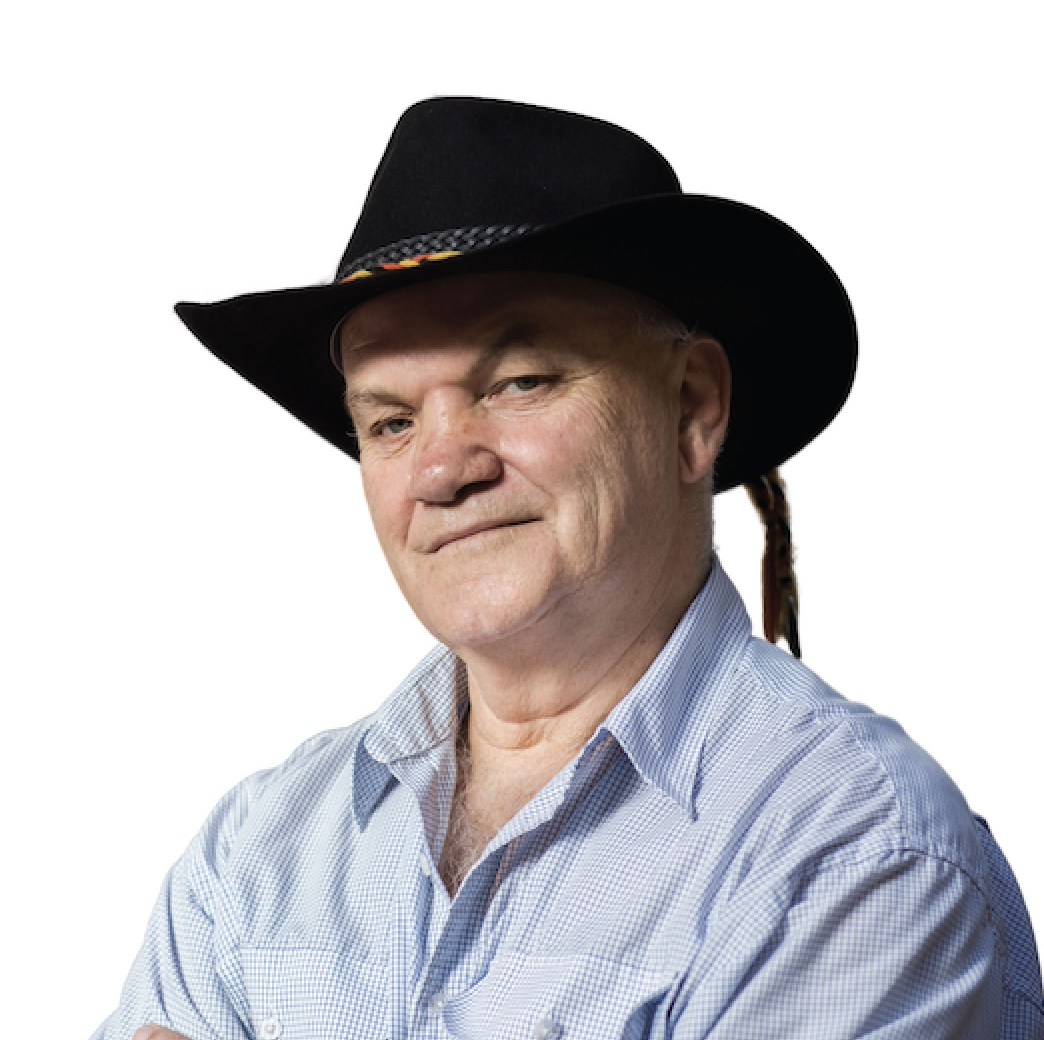
Professor Jack Beetson
Jack is a Ngemba man from western New South Wales who has been involved in Indigenous education and Aboriginal affairs for over 30 years.
He is Executive Director of Literacy for Life Foundation, an Aboriginal organisation set up to develop a community-controlled response to the issue of low adult literacy in First Nations communities. Since 2012 more than 20 communities have run locally-led literacy Campaigns, achieving excellent outcomes for learners and providing training and employment for more than 100 First Nations staff.
Jack’s other education roles have included President of the Federation of Independent Aboriginal Education Providers, Executive Director of Tranby Aboriginal College, member of the UTS Council, Adjunct Professor at University of New England (UNE), and member of the UNSW Advisory Council, Arts and Social Sciences.
In 2018 Jack received an honorary doctorate from UNE and in 2019 he became the first Indigenous Australian to be inducted into the International Adult and Continuing Education Hall of Fame. He is one of 12 people worldwide to have received a United Nations Unsung Hero Award. In 2022 he received the Chancellor’s Award for Excellence and the Faculty of Arts and Social Sciences Award at the UTS Alumni Awards. His life and pioneering work have attracted significant media coverage, highlighted internationally by the BBC World Service and nationally through in-depth profiles on the ABC.
Jack is a director on several boards, including Aboriginal Hostels Limited and he is a
member of the Ministerial Advisory Board of Jobs and Skills Australia. You can read more about Jack’s life and work at www.lflf.org.au
Looking forward: 50 more years for ACAL
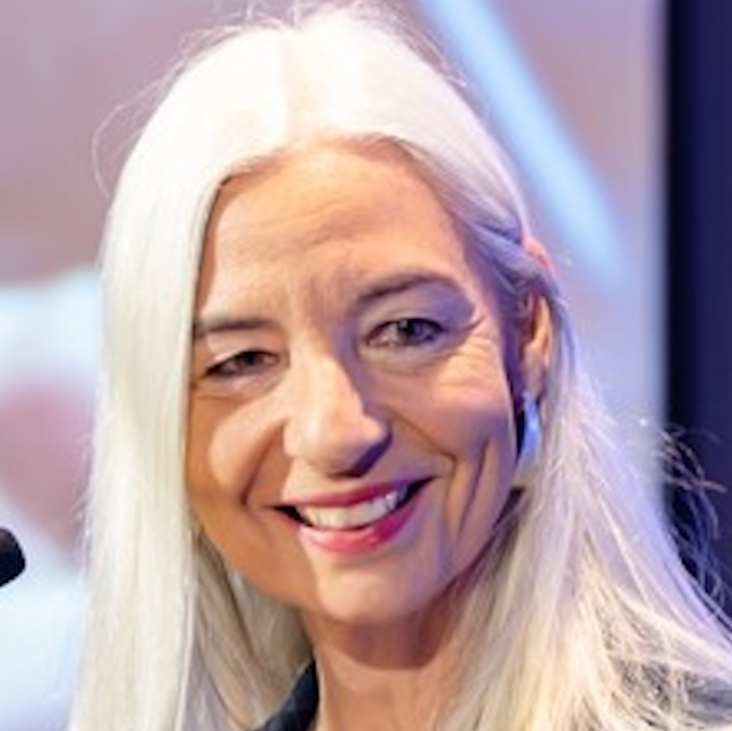
Vanessa Iles, Manager, Reading and Writing Hotline
Vanessa Iles has been the manager of the national Reading Writing Hotline for over a decade. She is an experienced language, literacy and numeracy teacher and holds a Bachelor of Business degree and Graduate Diploma in Adult Literacy and Numeracy Teaching.
Vanessa is committed to optimising opportunities for adult learners, by improving connections between learners, education, providers and employers. She advocates for free access to quality literacy, and numeracy education for all Australians and to expand the critical shortage of adult literacy and numeracy teachers.

Trevor Gauld, Deputy Commissioner at Jobs and Skills Australia
Trevor Gauld is Deputy Commissioner at Jobs and Skills Australia (JSA), where he plays a key role in shaping national skills strategies to meet Australia’s current and future workforce needs. With deep expertise in workforce development, vocational education, and strategic policy, Trevor brings a strong commitment to building a future-ready, inclusive, and skilled economy.
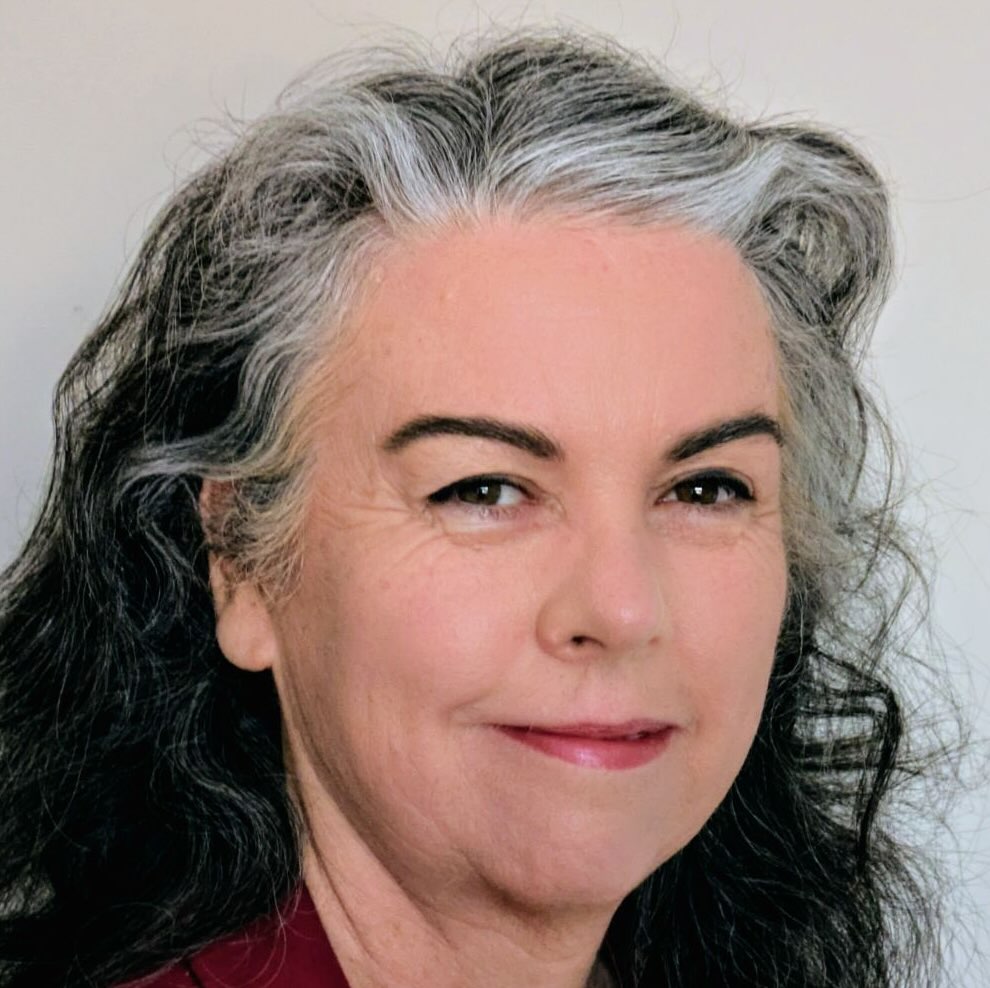
Cara Sergeant, Assistant Secretary Department of Employment and Workplace Relations
Cara is an accomplished public sector leader with over 30 years in the Australian Public Service. After beginning at the Australian Bureau of Statistics, she has spent the past 20 years shaping education and skills policy and driving major reforms across the vocational education and training (VET) system. She has worked to advance career advice, strengthen apprentice wellbeing, and improve the quality of training, assessment and regulation across the sector.
As Assistant Secretary of the Foundation Skills Branch in the Department of Employment and Workplace Relations, Cara leads policies and programs that help build the language, literacy, numeracy, and digital skills and capabilities people need to participate in work, life, and community.
Afternoon Tea and Tree Planting
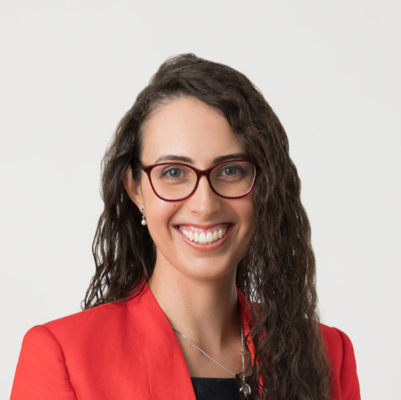
Caitlin Tough MLA, Member for Brindabella
Caitlin Tough is a public health advocate, public servant, and mum, serving as a Labor Member for Brindabella in the ACT Legislative Assembly since November 2024. Moving to Canberra at 18, Caitlin studied at ANU and Macquarie University before working across law and the public service.
A passionate advocate for women’s health, she is an Ambassador for Endometriosis Australia and fights for better access to free public healthcare. Having grown up with strong community support during tough family times, Caitlin is committed to making Tuggeranong an even better place to live, raising her family locally in Lanyon Valley.
Symposium Sponsor

LWA specialises in adult English language, literacy, numeracy and digital literacy training. LWA prides itself on a collaborative and flexible approach with clients. These include industry management, employees, training providers, teachers and trainers, funding bodies and colleagues.