
ACAL’s 50 years celebration
on International Literacy Day – Tuesday, September 8, 2026
Minister Giles welcomed the ACAL Committee to Parliament House

On International Literacy Day 2026, ACAL met with Minister Andrew Giles for morning tea at Parliament House, Canberra. L to r Cassie Stanley, President Jo Medlin, Minister Andrew Giles, Vanessa Illes, Deborah Mullan, Kathrin Colgan, Max Lorenzin, Ann Kelly, partially hidden Estelle O’Callaghan, Anne Kiley, Don MacDowall. Front: Sue James, Emilia Biemmi Beurteaux, Lorraine Sushames.
Looking back: 50 years of ACAL memories and lessons learned
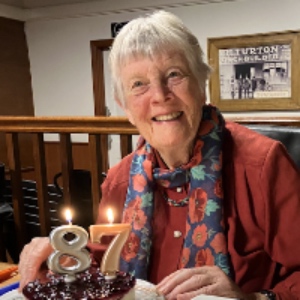
‘Why did we think it a danger? And who were ‘we”?’
Symposium Address, September 8, 2026 Kath White
The memory plays tricks on us: the details vanish or get displaced, but the affect – the emotional aura – remains. I still have a visceral memory of the apprehension I felt on the final morning of that first ACAL conference held in Canberra over four days in May, 1977. I had been appointed to chair the final plenary meeting where we would hammer out the decisive direction that the infant adult literacy provision in Australia would go.
Everyone knew that this was a crucial decision.
As I reread the recommendations of that meeting now, they look so bland that you might wonder what all the fuss was about. Amongst items about ACAL membership and government relations are these innocuous sounding recommendation:
1.4. That no single group, either at a state or national level, should have the power to dominate individuals or groups working in the field of literacy.
1.5. That the national body (i.e. ACAL) should be seen as a dynamic organism, which should continue to develop and define its function and structure as needs develop.
Such a decision would only have been made if it was sensed that there was a possibility of domination or dogmatism. And such had become obvious in the previous days of the conference: certain delegates proposed initiating a nation-wide program using their step-by-step literacy program, maybe with federal funding. It was the danger of this being accepted by the conference that caused the flurry of activity.
Why did we think it a danger? And who were ‘we”?
We were already loosely connected colleagues who had recently begun adult literacy work in our own states – Victoria, Tasmania, NSW, South Australia and Queensland. We were mostly in our thirties, young experienced teachers, enthusiastic, visionary, and now caught up on the winds of change. A visit to Melbourne in 1972 by the South American educator Paulo Freire had contrasted the conventional idea of ‘banking education’ with liberation education as found in his book, Pedagogy of the Oppressed.
These ideas permeated our informal and formal meetings, and from them we absorbed a new perspective on the education of adults: an adult is not an empty mug to be filled from the full jug of the teacher; rather, both student and teacher engage in a respectful exchange in which both are “sometimes teacher, sometimes learner”, education is a political activity that can either reinforce submission and self-distrust, or free individual and community potential; education should be in the hands of the community, rather than the monopoly of an elite.
Of most specific influence for me, though, though, was spending the TAFE summer holidays 1976-7 in the wintry UK to study AL provision there, particularly as spearheaded by the BBC’s television series, On the Move. UK colleagues in London, Liverpool and Dorset generously shared time and resources with me, outlining their training methods for the hundreds of community volunteer tutors who had responded to the urgent need stimulated by the BBC programs.
When I returned to Sydney as the first full-time ALO, I was given an open brief to adapt these methods here. By the time of the May ACAL conference, I had had three months of recuiting volunteers and interviewing and matching students, with enthusiastic results. And there at the First National Conference of the ACAL, the main speaker was Bill Devereux, the founding Director of ALRA, extolling the use of volunteers, encouraging a diversity of providers, making training and teaching materials free of copyright, and urging that we build public awareness of adult literacy.
So there was this frantic working through the night with typewriters clacking and draft motions being produced because we felt sure that if our students had to march along according to a lock-step system, all the spontaneity and the real service would disappear – and our students would too. So there was a lot at stake. The final meeting was very tense: proposals were debated, and the result was that the meeting decided that we would go with the student-based way.
That was a really important decision, because it characterised the principles we observed for the next ten years:
- The primacy of the individual – respecting their confidentiality, building up their personal confidence and helping them to successfully achieve their own goals.
- No one ideal pedagogy of literacy – we used whatever worked.
- The use of suitable community volunteers matched with a compatible learner and meeting in their chosen setting;
- The importance of training – of professional teachers, volunteer tutors, community helpers as well as in-service, on-the-job and active exchange of ideas through workshops, conferences and newsletters.
- Sharing of resources with any individual or organisation providing adult literacy services.
That was our first ACAL conference, devoted to theoretical and philosophical concerns.The thing I took away from the second, held in Melbourne in 1978, was practical and very hands-on. Helen Gribble took a workshop on how to make reading books for adult new readers using the Language Experience Method. Showing us her student Wally Watts’s book, ‘Blokes at Work‘, Helen explained how she scribed Wally’s own words as he spoke his experience. That script then became the text for all sorts of reading and writing activities.
We all then had a go at making a simple stapled book, using quarto paper and a thin card cover. Back in Sydney after the conference, I tried this method with my student, Gary. His story, The Day of the Pigeons, was the first book he had ever read. We held book-making workshops with our Sydney people, which gave us a collection of personal stories that new readers could tackle and enjoy.
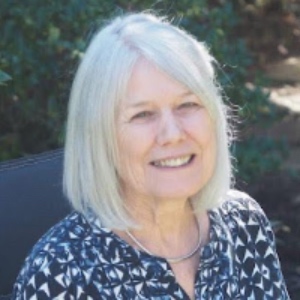
‘the trouble with you lot is you’re only talking to yourselves. You need to be inside the tent’.
Rosie Wickert, ACAL and International Literacy Year 1989-1991
Thank you ACAL – this was fun – so many memories triggered, not least around the tumultuous International Literacy Years.
One word of apology – forgive me that my reflections and faulty memory are inevitably selective and limited and, with such a short time, contain many omissions.
So – UNESCO’s objectives were ambitious including to:
- Increase government action to ‘combat illiteracy’
- Increase public awareness
- And participation in efforts to combat the problems
- use ILY as a launch pad for the ‘eradication of illiteracy’ (note military connotations)
The scope was huge, the budget in Australia small – approx. $5m over the two years – and not only for adults.
Between 1989-1991, a/c to the Aus ILY Report (DEET 1991), this funded 44 national projects of national significance plus over 120 small grant projects with approx. 40% of these for adult literacy and numeracy.
I’ve chosen three ways of looking at the impact for ACAL . They are:
The impact OF ACAL, the impact ON ACAL and the impact on me!
1. Impact OF ACAL
- To understand this we need to look before ILY to the 2-year Adult Literacy Action Campaign which was achieved via the goal of ‘English Competence for All’ in Lo Bianco’s pioneering 1987 National Policy on Languages.
ACALs advice was crucial in the framing of influential national projects funded as part of this campaign – such as my No Single Measure and Peter Long’s Literacy in the Workplace.
In spite of this, as the 2-year Campaign came to an end in 1989 there was no certainty that even that limited funding would continue ($3m nationally including provision) or even that Australia would participate in ILY.
ACAL’s advocacy influenced that decision, partly by persuasion that literacy was an economic matter as well as a human and social justice one.
- Then, during and beyond ILY, ACAL had impact through its members participating in influential bodies such as:
- The NCC for ILY,
- The ALLC that followed ILY and developed the ALLPolicy,
- The Implementation Working Group representing State and Territory Governments
- the many ILY project advisory teams and
- Other advisory roles in governments.
Special mention here must go to Noel Simpson, President from 1984-89 until he was seconded to the role of Executive Director of the ILY Secretariat in Canberra. I witnessed how challenging it was to persuade John Dawkins, then Minister, to commit to action on adult literacy. Noel’s quiet influence on shaping how Australia responded to ILY and on the development of the subsequent ALLP deserves greater recognition.
2. Impact ON ACAL and adult education.
- As well as providing opportunities for ACAL to influence policy and practice, participation in these high-level advisory bodies also had an impact on ACAL through its exposure to and learning from influential people and networks also engaged in ILY work.
A few examples from the time include Margaret Whitlam, Julian Disney, Margaret Valadian, Phillip Jones, David Goodman, Alastair Crombie, Cassandra Parkinson, Laurie Carmichael and of course the patronage of Hazel Hawke.
- Not least was the impact on ACAL through participation in the Commonwealth-State Implementation Working Group. This became a powerful influence nationwide. ACAL President Roy Pugh was a member and other ACAL members participated in the many national project advisory groups from 1987 on. A great learning experience for many of us.
All this raised not only the profile of ACAL but expectations about what ACAL could contribute. The 1990s furthered the maturity and relevance of ACAL, its skill in how to achieve policy outcomes.
ACAL mattered – arguably its profile through ILY secured its future.
- Not forgetting ACAL’s influence during the 1980s, I’d argue that during the early 1990s, ACAL consolidated what Lo Bianco (2001) terms a ‘policy literacy’ – ‘a critical understanding of the processes of public policy making … in bringing about a more reflective and full participation’ in them.
- Finally, I think that ACAL built a stronger understanding of what I’m calling ‘media literacy’ through ILY. Partly through the influence of Social Change Media (who won the Public Awareness contract) we updated our image and broadened our public profile through forums, accessible publications and so on. ‘Communicate, communicate, communicate’ was the message.
3. Impact on me – and through this on my work with ACAL and others.
3 incidents immediately come to mind. Briefly, they are:
- Reading Helen Gribble’s article When politicians shrink to normal size (John Button),
- Julian Disney taking me aside to tell me that ‘the trouble with you lot is you’re only talking to yourselves. You need to be inside the tent’.
- And especially the late Garth Boomer at a memorable Australian Reading Association in conference in Darwin in 1989.
As a child of the 60s I had an ingrained suspicion of the notion of ‘pragmatism’ or (more negatively ) ‘compromise’. Boomer scaffolded my willingness to embrace pragmatism through his notion of the ‘pragmatic radical’.
What was his influence? It was his careful and considered interventions to shake the ‘comfortableness’ and ‘complacency’ of the progressive education pedagogy that grew out of the 1970s.
He exhorted literacy educators to lift their heads and prepare for what was inevitably coming.
ILY and ACAL changed my life – my career, perspectives opportunities, reputation and direction. Thank you
Department of Employment, Education and Training (1991) Australia’s Language: The Australian Language and Literacy Policy. Vols. 1 & 2. Canberra: Australian Government Publishing Service (August).
Department of Employment, Education and Training (1992) Putting Literacy on the Agenda, International Literacy Year 1990 End of Year Report, Canberra, Commonwealth Government of Australia
Boomer, Garth (1989) Literacy- the Epic Challenge: Beyond Progressivism, English in Australia 1989, Issue 90, pp.23-26. Conference in Darwin.
Bianco, J.L. (1987) National Policy on Languages, Canberra, AGPS
Bianco, J. L. (2001) Policy Literacy, Language and Education, 15(2–3), pp. 212–227. https://doi.org/10.1080/0950078010866681
Wickert, Rosie (2001) Politics, activism and the processes of policy production. Adult literacy in Australia, in Lo Bianco and Wickert, Australian Policy Activism in Language and Literacy, Melbourne, Language Australia Ltd, pp. 75-93.
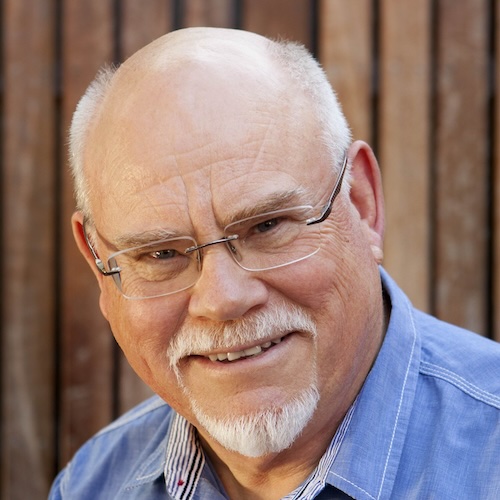
‘We should, at all costs, avoid a situation in which … – the educated … dictate to – the inadequately educated.’
Australian Council for Adult Literacy 50th Anniversary Symposium Canberra 8 September 2026
Dr Darryl Dymock Adjunct Senior Research Fellow, Griffith Institute for Educational Research, Griffith University, Brisbane
[In her introduction, Lorraine Sushames asked me to reflect on what we had learned from the ‘era’ when I was ACAL Secretary.]
I’m not too sure about that word, ‘era’, Lorraine. I always associate ‘era’ with words like ‘Paleolithic’ or ‘Jurassic’, which I assure you that, despite my white hair or lack of it, were well before my time.
But whatever we call it, those early years were heady ones for ACAL. I think that what emerged in that period were four elements that have helped sustain ACAL throughout its 50-year history:
* a focus on
- practice
- politics and
- international connections, and
* a genuine belief that literacy is about empowerment and democracy.
And that direction was set, I think, by the first president of ACAL, Archibald John Alexander Nelson.
I first met Arch Nelson when I started at the University of New England in Armidale in 1976, which also happened to be the year Arch Nelson retired, at age 65. (I don’t think the two events were connected.)
He’d been for many years Director of the Department of Adult Education, at that time recently renamed Continuing Education (and where I now worked).
Under Arch Nelson, the Department had established an international reputation. He’d started his professional life as a primary teacher in South Australia, but it was his experience in the Australian Army Education Service in World War II that opened his eyes to the capacity for learning and curiosity of ordinary Australians, often with little education. It also taught him a lot about how to encourage and support learning for adults.
After the war he continued that interest in adult education through appointments to Australian government education bodies like the Department of Post-War Reconstruction and the Universities Commission in Australia and London. As a member of the newly formed Commonwealth Office of Education, he also helped represent Australia at UNESCO conferences around the world.
(I once asked Arch if Nelson’s Column in London was named after him, but apparently not.)
He brought his high-level professional experience with him when he started at the University of New England in 1954. That background was also to prove invaluable to the Australian Council for Adult Literacy when it was founded in 1976.
Arch Nelson was already ahead of the game.
In 1975 he was invited by the International Institute for Adult Literacy Methods to contribute to the institute’s quarterly journal, Literacy Work, on the topic: Adult Education and Adult Literacy: the Australian Experience. (At that time, the International Institute was based in Tehran, Iran. You may have heard of the place in another context.)
You might think that since ACAL was not established until the following year, the Australian adult literacy experience might have been a bit thin. But it’s a testament to Arch Nelson’s persistence, networks and sheer audacity that he managed to persuade a range of people to write articles for not just one but two issues of Literacy Work, published in 1976.
Arch edited both issues of The Australian Experience, and in his final summary he wrote:
We should, at all costs, avoid a situation in which one section of the population – the educated – examine, prescribe for, and/or dictate to another section – the inadequately educated. Research and action programmes which aim to help the inadequately educated should be in large measure participatory; that is, they should be undertaken with, by and for, and not simply for the people who are to benefit.
A year later, as Kath White has just told us, that’s exactly the position that ACAL adopted.
It’s little wonder that Arch Nelson came to be the founding president of ACAL. It drew on his experience, built on his interests and passions, it fitted his liberal philosophy and belief in a widely democratic society, and the need for a national organisation emerged at the same time as Arch retired from his full-time responsibilities at UNE. ACAL was lucky to have him.
He was not reluctant to take on the new role, and pursued it with vigour and intelligence, as well as a steeliness of purpose.
I discovered that persistence personally when, after resisting his initial requests – I had a full-time job and a family – I agreed in 1979 to take on the role of Honorary Secretary of ACAL. He and I worked amicably and I think, productively, together for the next five years before we both felt it was time to hand over to others.
In that period (that era!), Arch Nelson’s experience and foresight were evident in another publication he edited, this time published by ACAL.
On the Importance of Being Literate, published in 1981, was classic Nelson: bringing together a cross-section of practitioners, politicians and international experts to draw public attention to the issue of adult literacy. Significantly, and typically, he also included student voices.
Among the politicians was Kim Beazley, recently Minister for Education in the Whitlam Government, and four sitting members whom some members of the audience might remember: Doug Anthony, Leader of the National Party, Wal Fife, Federal Minister for Education, Don Chipp of the then Australian Democrats, and John Button, Shadow Labour Minister for Education.
Practitioners included Marguerite Scott from Colony 47 Hobart, and someone from the New South Wales Adult Literacy Information Office called Kath White. And there’s Margaret Moar from Wangaratta in Victoria and Roy Pugh from southern Tasmania, both of whom co-ordinated volunteer adult literacy programs.
There are also ‘Personal Statements’ from students in Brisbane and Sydney, and a collection of pieces on ‘What Aboriginal Australians think’ and ‘What Adult Migrants think’.
Internationally, there are contributions from the United States and the UK, and one from Tanzania that includes this quote from a successful student: “These days when people see me they say to themselves, ‘You cannot deceive this old man – he knows’.”
You might well have said the same about Arch Nelson.
In On the Importance of Being Literate in 1981, five years after the founding of ACAL, he wrote:
The function of the Australian Council for Adult Literacy is twofold: 1) to help develop public awareness of the need for adequate levels of literacy, and 2) to facilitate and promote cooperation among concerned people and organisations throughout Australia.
He knew that to build ACAL as a robust national organisation that would make a difference we needed to:
- Develop the practitioners
- Educate the politicians
- Learn from and share with our international colleagues, and
- Respect the learners.
From what I see, after 50 years the Australian Council for Adult Literacy is still pursuing those four significant goals.
Happy Birthday ACAL!
4

‘… the term collaboration … has sometimes had a ‘bad rap’.’
Collaborations between ACAL and other professional organisations
Ann Kelly
ACAL has a long history of collaborating with other professional organisations. In this short presentation, I will focus on two such peak bodies. However, before I do that, I want to define the term collaboration because, in the past, it has sometimes had a ‘bad rap’.
Today I am using the definition proposed by Marinez-Moyano (2006) who claimed that collaboration is ‘the process of two or more people, entities or organizations [sic] working together to complete a task or achieve a goal’ (p. 8). Thus, there is an emphasis on having a specific purpose for any such involvement by organisations.
The first collaboration between ACAL and other professional associations that I want to elaborate briefly on today is the Australian Literacy Federation, commonly known as ALF.
The ACAL/ALF collaboration
When I was ACAL President in1996, I also assumed the role of Chair of ALF, a federation of five peak bodies, including ACAL, with a strong interest in literacy. ALF was designed to serve as the single voice of literacy when the Minister for Schools, Vocational Education and Training, David Kemp, wanted advice with respect to this educational area. The other four associations that comprised ALF were: the Australian Literacy Education Association (ALEA), the Primary English Teachers Association (PETA), the English Teachers Association of Australia (ETA) and the Australian Teachers of English as a Second or Other Language (ATESOL).
Two outcomes that resulted from this collaboration were particularly important. The first was the further opportunity to work with these associations in conducting joint conferences, seminars and workshops and in developing closer links with literacy researchers. In this last respect, I want to pay a special tribute to Professor Peter Freebody for the theoretical support he gave to both the Queensland Council for Adult Literacy (QCAL) and ACAL. For example, in the mid-eighties he flew from Armidale where he was employed to talk with members of QCAL on the topic of comprehension assessment. In his address he urged the adult literacy teachers present to move beyond questioning students’ literal understandings of a text to a more applied form that would be more meaningful to them. Later, his article, ‘The Four Roles of the Reader’, written jointly with Professor Allan Luke, , was very influential in helping us to develop our understanding of the process of reading.
Another important document he developed was an English national curriculum where he synthesised a number of different approaches to the teaching of this subject. Not only was Peter a highly esteemed scholar but he was also generous and inclusive.
In Figure 1 below, I have drawn up a selected ‘gallery of portraits’ of literacy researchers who have been influential in developing adult literacy practitioners’ conceptual and pedagogical knowledge. It is notable that, because of the limited availability of slide space, many other key leaders are not featured here.
Figure 1 Researchers whose work impacted on the adult literacy field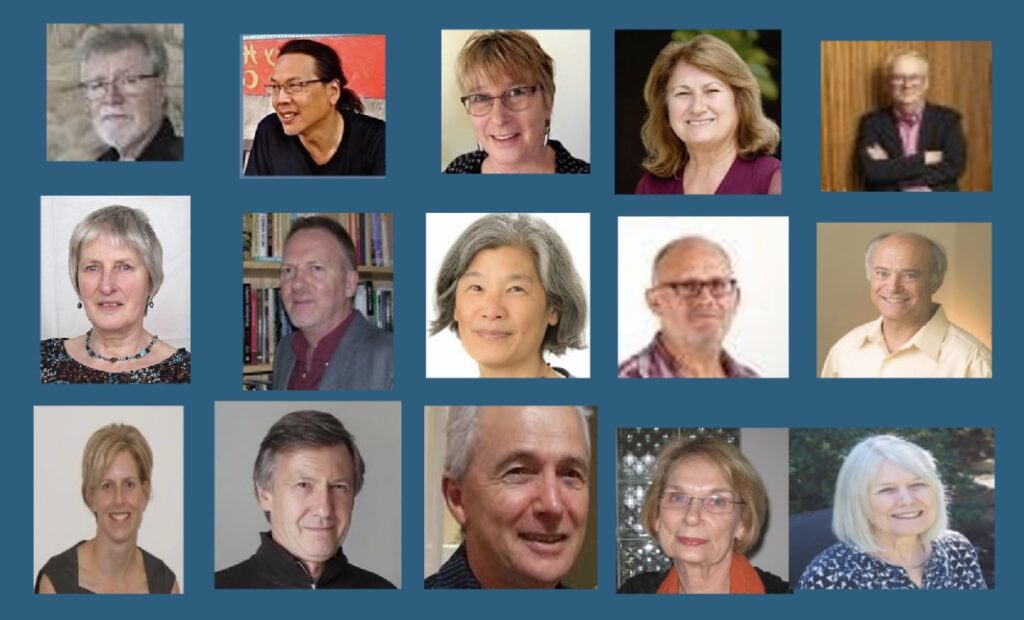
A second benefit flowing from the ACAL collaboration with other literacy professional association under the ALF umbrella was the provision of funding which was used to develop an ACAL webpage and to strengthen the group email system. Engaging in webpage development was a new challenge for me where it was necessary to decide what information would be on the landing page, how it would be presented, and whether it would be permanent or temporary. There were also the questions of what tab links did we want and what information would they contain, and what connections to other websites would be relevant to be addressed. We are now familiar with the hierarchical and connective nature of webpage design but thirty years ago, this was not the case for everyone.
The improvement of the ACAL group email architecture, as a result of the ALF initiative, allowed the ACAL committee and the general members to communicate more effectively with each other, decreased costs and, at that time, moved us some way from a dependence on paper and telephone modes of operation to more digital forms.
A critical lesson learned from the ACAL involvement with ALF, though, was a further recognition that teaching and learning in the adult literacy space were substantially different from that of the primary and secondary some form. Indeed, while there continye to be important theoretical overlaps, recognition of, and respect for, the particular circumstances and needs of the students were further understood to be paramount.
Adult Learning Australia collaboration
Like QCAL, ACAL has enjoyed many years of collaborative activity with ALA. The nature of this relationship, however, has been political, rather than theoretical. For example, following its establishment in the eighties, QCAL regularly joined with State ALA affiliates to conduct workshops and seminars, prepare submissions, and represent members on State-government boards, advocating successfully for funding for adult literacy teachers and volunteer tutor coordinators, as well as for the development of specific curricula and resources. This work continues at the national level.
A challenge inherent in ACAL collaborations
While ACAL has a history of successful engagement with other professional associations, it is imperative that the basis of such participation is the completion of a task or the achievement of a shared goal, as defined above. At any time, when this is not occurring, it is essential that ACAL withdraws from such alliances. Similarly, when an agreed purpose is achieved, then ACAL needs to step back and make decisions whether that specific relationship needs to be retained in some form, or discontinued. As conditions inevitably change in the future, it is likely that there will be a range of different opportunities for new alliances to be formed and ACAL needs to be ready to optimise these.
Reference
Marinez-Moyano, I. J. (2006)., Exploring the dynamics of collaboration in interorganizational settings. In S. Schuman (ed), Creating a Culture of Collaboration: The International Association of Facilitators Handbook (pp. 69–85), Jossey-Bass.
First Nations Literacy

Professor Jack Beetson
Jack is a Ngemba man from western New South Wales who has been involved in Indigenous education and Aboriginal affairs for over 30 years.
He is Executive Director of Literacy for Life Foundation, an Aboriginal organisation set up to develop a community-controlled response to the issue of low adult literacy in First Nations communities. Since 2012 more than 20 communities have run locally-led literacy Campaigns, achieving excellent outcomes for learners and providing training and employment for more than 100 First Nations staff.
Jack’s other education roles have included President of the Federation of Independent Aboriginal Education Providers, Executive Director of Tranby Aboriginal College, member of the UTS Council, Adjunct Professor at University of New England (UNE), and member of the UNSW Advisory Council, Arts and Social Sciences.
In 2018 Jack received an honorary doctorate from UNE and in 2019 he became the first Indigenous Australian to be inducted into the International Adult and Continuing Education Hall of Fame. He is one of 12 people worldwide to have received a United Nations Unsung Hero Award. In 2022 he received the Chancellor’s Award for Excellence and the Faculty of Arts and Social Sciences Award at the UTS Alumni Awards. His life and pioneering work have attracted significant media coverage, highlighted internationally by the BBC World Service and nationally through in-depth profiles on the ABC.
Jack is a director on several boards, including Aboriginal Hostels Limited and he is a
member of the Ministerial Advisory Board of Jobs and Skills Australia. You can read more about Jack’s life and work at www.lflf.org.au
Looking forward: 50 more years for ACAL
In the afternoon we also heard from these people.

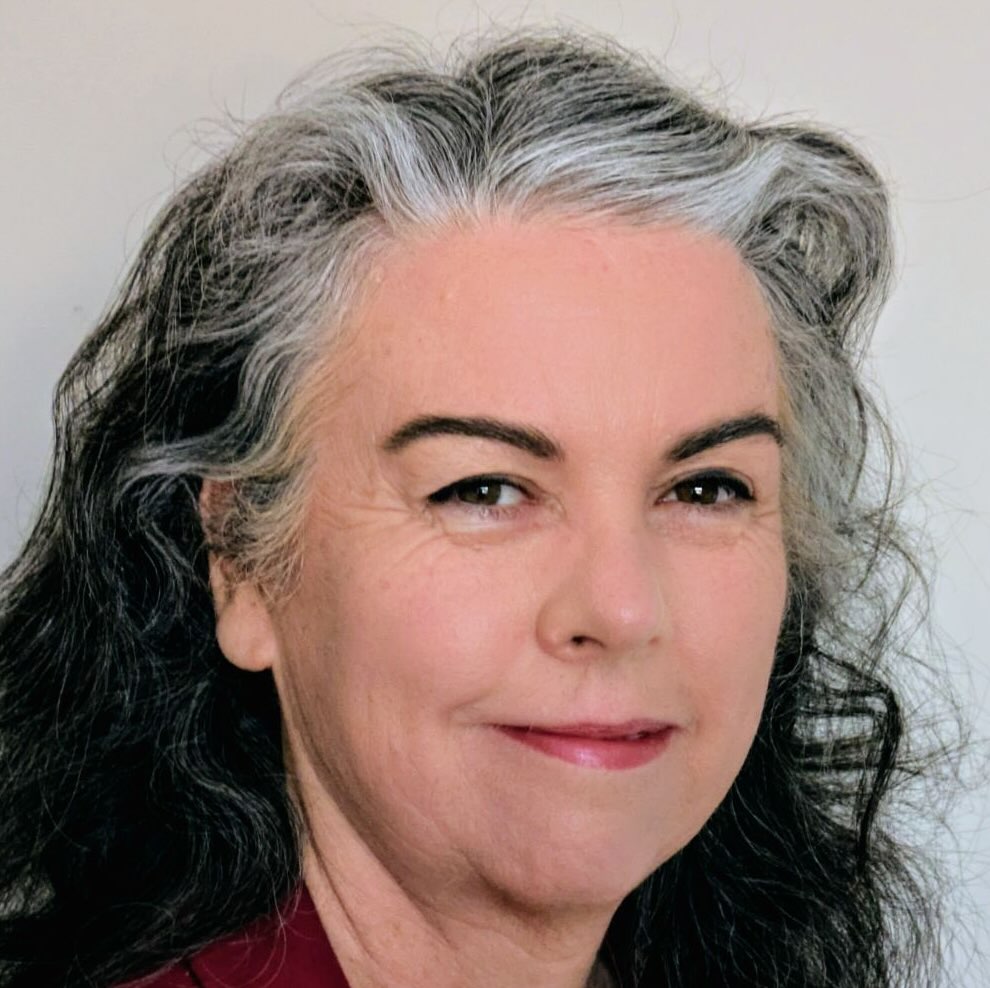
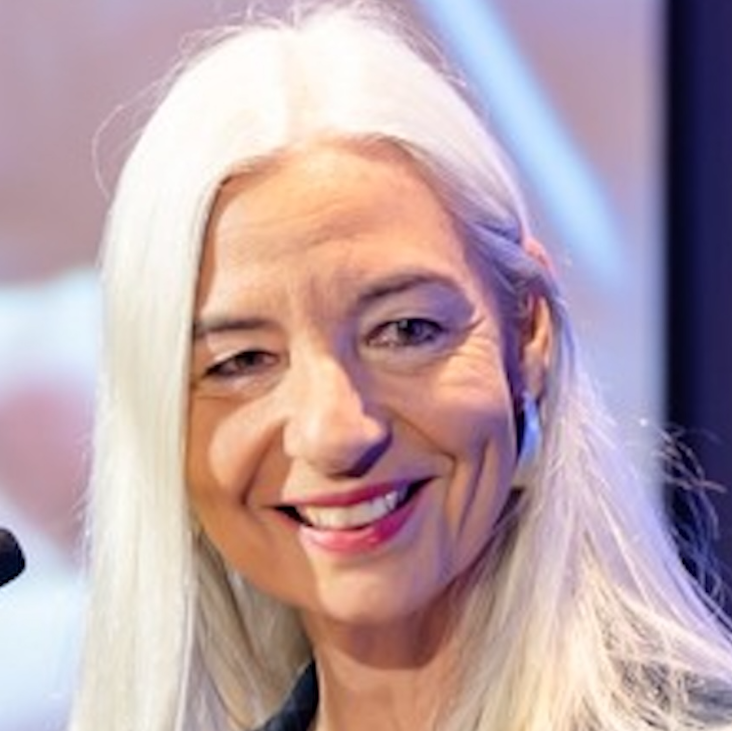
2026 Arch Nelson Address

‘A Snapshot of 29 years in LND: from Cars to China, Cows and more’
Sue James, TAFE SA lecturer/ SACAL Co-President/ACAL Secretary
Sue also presented again to the 2026 AGM in October.
More about the Adddress and rhe AGM recording.
Ministers acknowledge ACAL’s 50 years
During the day senior government Minister’s provided video acknowledgements of our milestone.
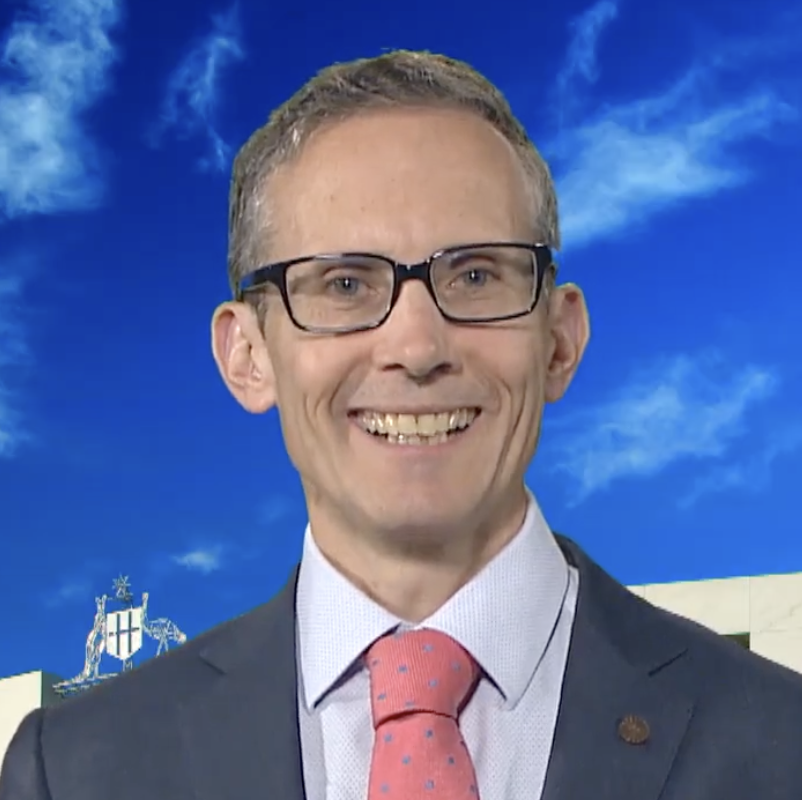
Dr Andrew Leigh MP
Assistant Minister for Productivity, Competition, Charities and Treasury acknowledges the “fabulous” record of ACAL’s fifty years. Video

Andrew Giles MP
Minister for Skills and Training congratulates ACAL on its record in advocacy, expertise and service. Video
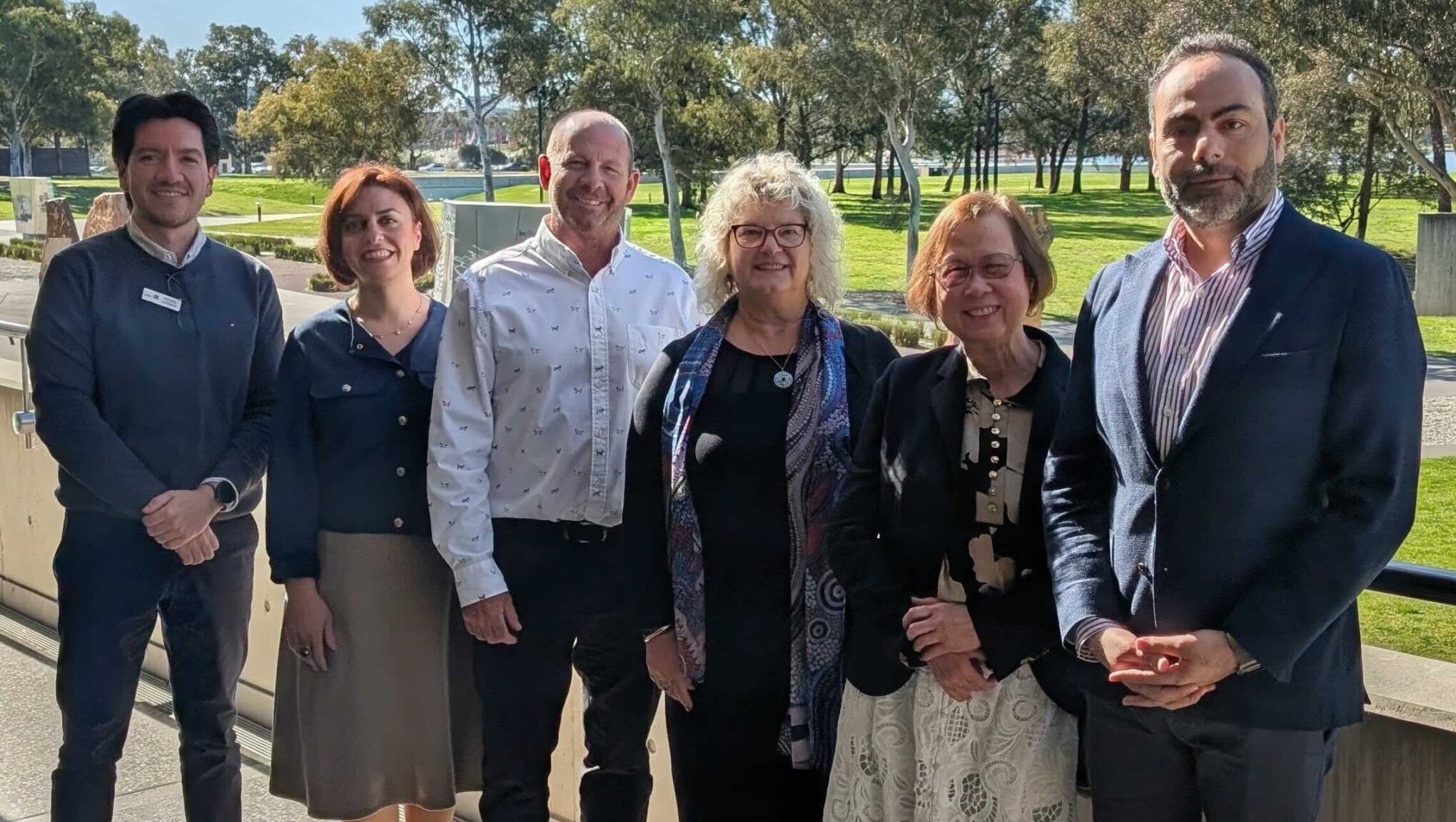
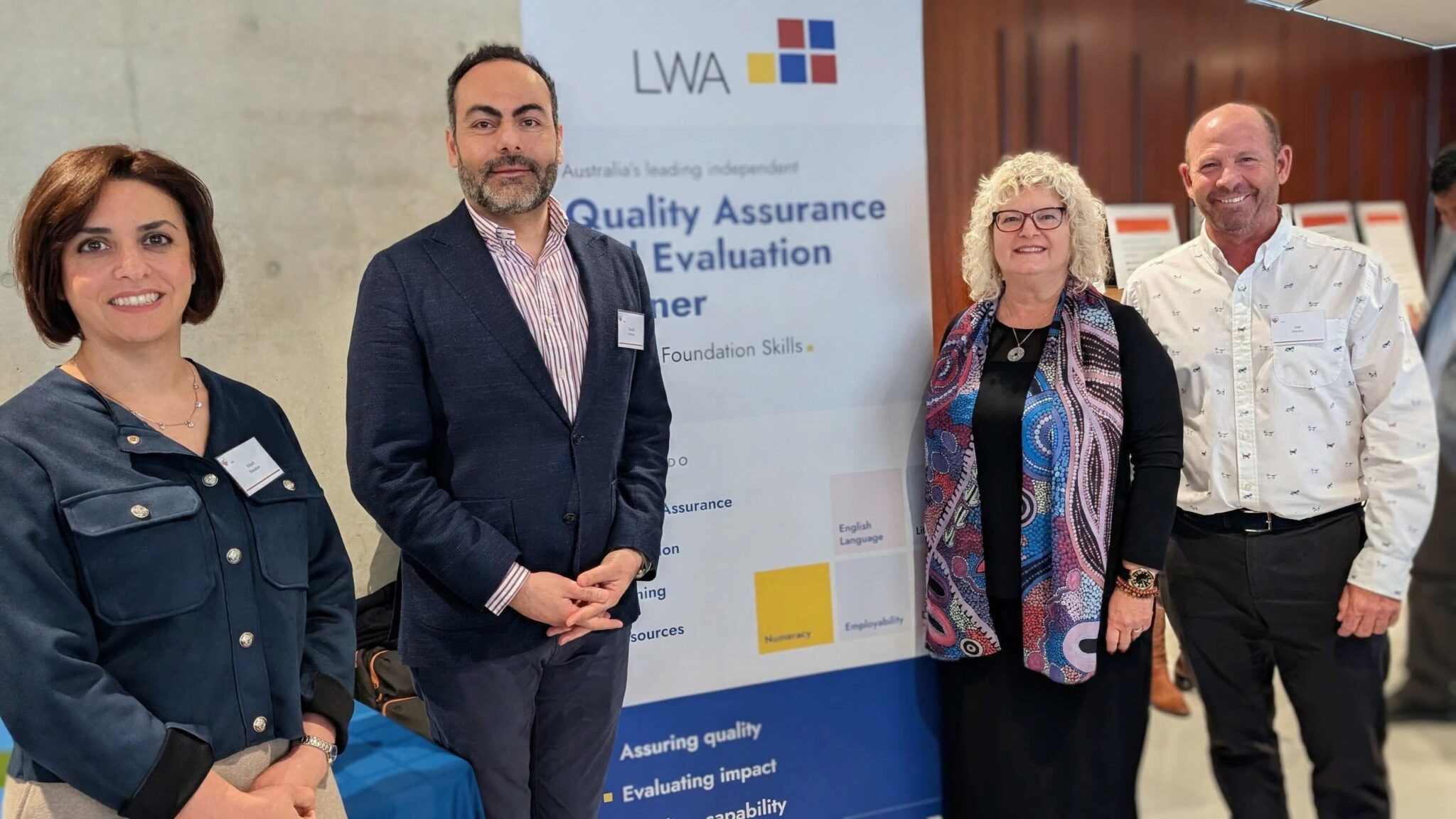
LWA team
LWA provide generous sponsorship support for our 50th Celebration Symposium and joined us in Canberra.
Symposium Sponsor

LWA specialises in adult English language, literacy, numeracy and digital literacy training. LWA prides itself on a collaborative and flexible approach with clients. These include industry management, employees, training providers, teachers and trainers, funding bodies and colleagues.
Bus sponsorship between venues

